


On
Trailrunning Shoes Cloudsurfer Trail 2 Wp
Trailrunning Shoes Cloudsurfer Trail 2 Wp
€190.00
More sizes available


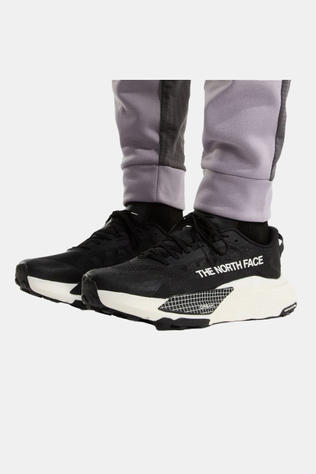


Is the thought of pounding kilometres of pavement majorly demotivating? Do you prefer the unbeaten paths? If so, a pair of trail shoes will be a much better option than standard running shoes. Trail shoes for women and men have more grip and protect your feet better. And they are completely waterproof, if you choose a pair with a membrane like GORE-TEX. When you run through natural landscapes like forests, mountains and/or fields, you encounter totally different obstacles as compared to those you'll find on ordinary roads. So a special pair of shoes for these challenges is no luxury.
Whereas running shoes are mainly designed to allow you to run on asphalt and other paved roads as comfortably as possible for as long as possible, trail shoes are mainly made to keep you safe and upright on more challenging terrain.
Running shoes have a lightweight upper that breathes well and a low-profile sole to help you run faster. Trail shoes have a much more robust upper to better protect your feet from sharp rocks, branches, and gravel. In turn, the sole has a coarser tread to keep you upright, even in the mud. There is often also a rock plate between the outsole and insole, which provides extra protection. With some trail shoes, you also have the option of puncturing small holes in the sole, so that water entering from above can come out from below.
As with regular running shoes, you also have many types and options with trail shoes.
Don’t let your favourite colour guide you, but make an informed choice that suits your running style above all else.
We wouldn’t be A.S.Adventure if we didn’t make sure that we have an extensive range of top brands. From The North Face to Hoka and On: time to hit those unbeaten paths.
Still have questions about buying your new trail shoes? Our customer service team is at your service every day.
To guarantee you the best online experience, we use marketing, analytical, and functional cookies (and similar technologies). For more detailed information, please refer to our cookie policy. Sometimes third parties place tracking cookies on our site to show you personalised adverts outside of the website. Additionally, tracking cookies are placed by social media networks. By selecting "Accept all cookies" you agree to this. In order not to have to ask you more than once, we store your preferences for the use of cookies on the website for a period of two years. You can edit your preferences at any time through the cookie policy at the bottom of every page on the website.


